


































Unlock the benefits of virtual staging for real estate. Learn how Immobilixia uses advanced digital design to help agents sell homes faster and at a
The Digital Revolution in Property Marketing
Buyers don’t start their home search at an open house or during a private tour anymore. The real first showing happens on a phone screen. Prospective buyers scroll through hundreds of listings a day, swiping left or right in milliseconds based entirely on a single cover photo. If your listing features empty, cold, or outdated rooms, you’ve already lost them. They’ve moved on to the next house.
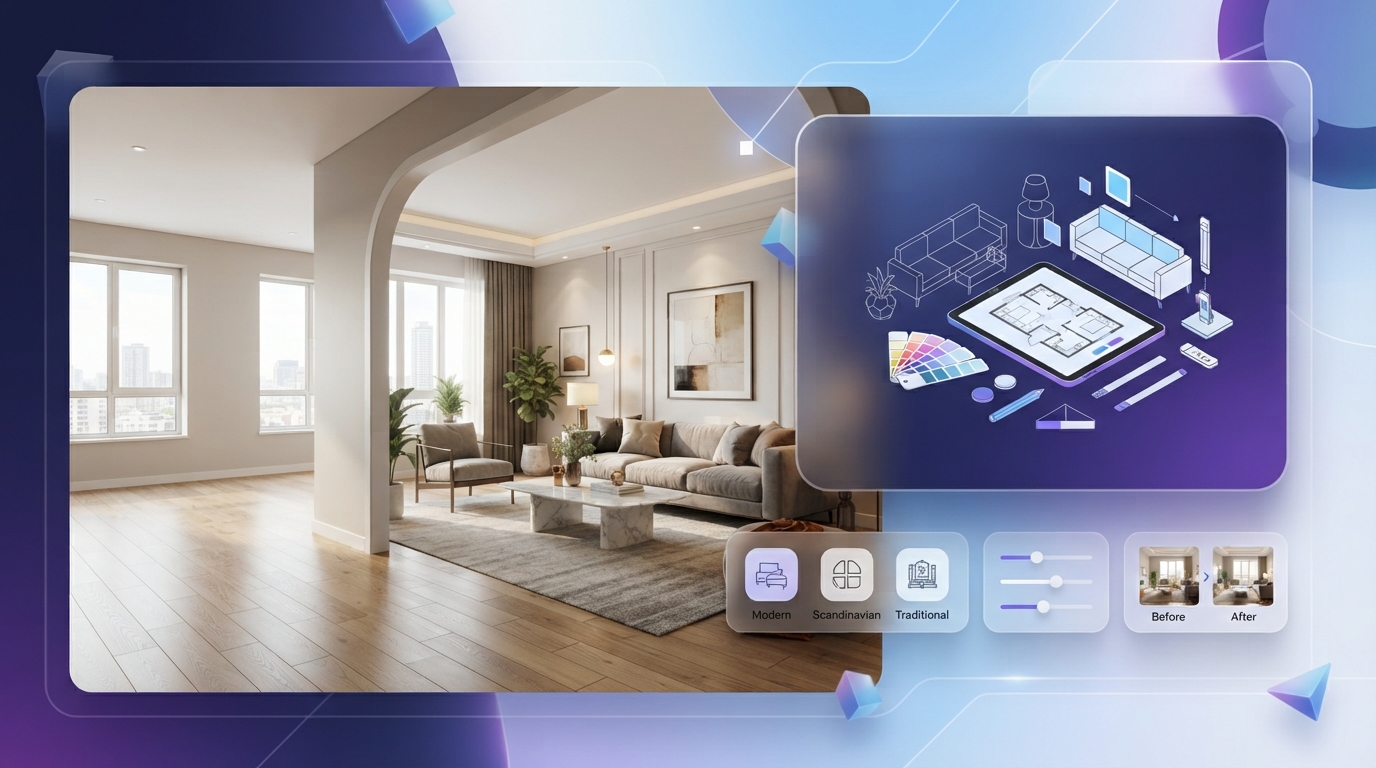
In the past, the only fix was traditional staging. That meant hiring designers, renting physical furniture, and hauling heavy sofas into a vacant house just to make it feel livable. It worked, but it cost a fortune, took weeks, and involved massive logistical headaches. Today, tech offers a much smarter way to get the same emotional impact: virtual staging for real estate.
At Immobilixia, we help agents, developers, and homeowners bridge that gap between cold, empty rooms and deep emotional connections. Using sophisticated digital design, we turn blank, uninspiring canvases into photorealistic interiors that grab attention and get buyers on the phone.
What is Virtual Staging?
Simply put, virtual staging uses 3D rendering and graphic design software to place furniture, decor, lighting, and landscaping directly into photos of vacant or dated properties. This isn’t just basic photo editing. True, professional virtual staging demands a deep grasp of interior design, scaling, shadows, and light perspective. That’s the only way to make the final image look real instead of fake.
It works across the board. Maybe you have an empty new build, a cluttered home that needs virtual decluttering, or an outdated fixer-upper that needs a digital renovation. Staging digitally solves all of these challenges. To see how this works from start to finish, take a look at The Ultimate Guide to Real Estate Virtual Staging.
The Clear Benefits of Virtual Staging
Why are top-producing agents shifting their marketing dollars away from physical furniture rentals? It comes down to three things: speed, cost, and endless options.
1. Substantial Cost Savings
Physical staging is incredibly expensive. Data from the National Association of Realtors (NAR) shows that the median cost of traditional home staging can quickly run into thousands of dollars a month. Once you pay for design consultations, actual furniture rentals, liability insurance, and physical movers, the bill gets out of hand fast.
Working with Immobilixia wipes out those overhead costs. For a small fraction of what you’d spend on physical furniture, you can digitally furnish every room in the house. That leaves you with a much bigger budget to spend on targeted ads and finding actual buyers.
2. Unmatched Speed and Efficiency
In this business, speed is everything. Every extra day a property sits empty is another day the seller pays mortgage interest, taxes, and upkeep. But setting up real furniture takes time. You have to plan, coordinate deliveries, and wait for setup—often wasting days or weeks before you can even take photos.
Virtual staging changes that timeline completely. You can get high-resolution, professionally staged photos back in as little as 24 to 48 hours. This gets your listing active on the MLS almost instantly, letting you capitalize on that crucial first-week buzz.
3. Infinite Design Possibilities
Every property has a specific target buyer. A sleek, minimalist downtown condo needs a different look than a warm, traditional suburban home. Physical staging forces you to accept whatever inventory the stager happens to have sitting in their warehouse that week.
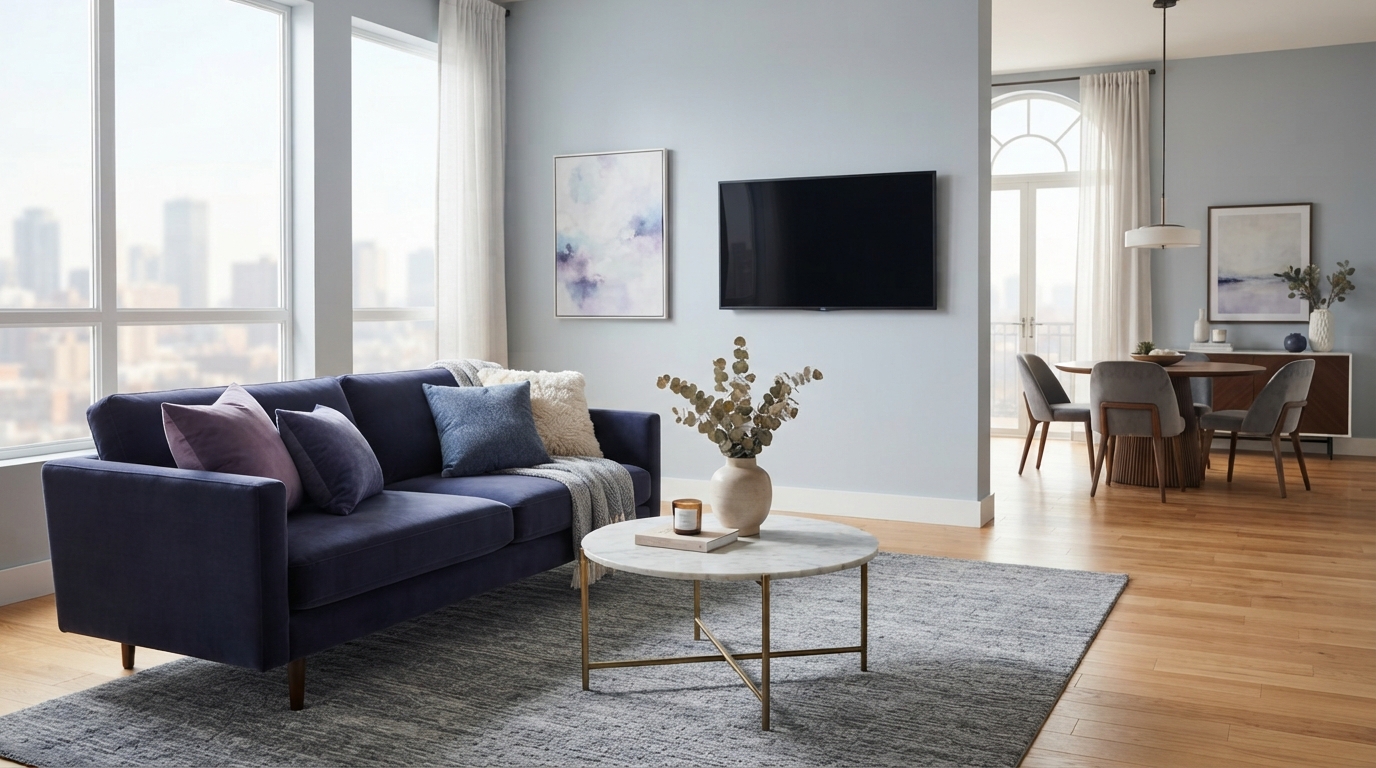
Digital staging hands you complete design freedom. With Immobilixia, you can select from styles ranging from mid-century modern and Scandinavian minimalism to industrial chic or high-end luxury. Want to swap out wall colors or change the flooring? No problem. You can even show the exact same spare room in two different ways—like a nursery and a home office—to attract entirely different buyer profiles.
How Virtual Staging Influences Buyer Psychology
Buying a home isn’t just a logical decision; it’s a deeply emotional one. Sure, buyers look at square footage and the number of bedrooms on paper, but the final choice is driven by how a space makes them feel.
“Empty rooms actually look smaller because your eyes don’t have reference points for scale. Digital staging puts those points back in, helping buyers realize exactly how a queen-sized bed or a dining set fits the space.”
Once a buyer can picture themselves cooking dinner or relaxing in the living room, they start falling in love with the property. That mental shift is powerful. It leads directly to more clicks, busier open houses, and higher offers.

The Role of Technology: AI and Professional Design
The technology behind digital staging is moving fast, thanks to leaps in AI and modern 3D rendering engines. The realism we can achieve now is remarkable. In fact, most buyers can’t even tell the difference between a physically styled room and a digitally staged one.
Cheap AI apps can spit out basic mockups, but high-end listings need a designer’s eye. At Immobilixia, we merge advanced software with real human artistry to make sure every shadow, reflection, and fabric texture looks completely authentic. Curious about where the tech is heading? Check out our in-depth look at The Future of Home Selling: How AI Virtual Staging is changing the real estate ecosystem.
Best Practices for Using Virtual Staging Ethically
Virtual staging is an incredible tool, but you have to remain transparent to keep buyers’ trust. Here are a few rules of thumb:
- Be upfront: Add a quick note in your MLS description and marketing flyers mentioning that the photos are virtually staged.
- Don’t cover up defects: Use this tech to add furniture, not to erase water damage, hide wall cracks, or edit out unsightly power lines.
- Show ‘before and after’ shots: Placing empty photos next to staged versions on your website or at the property is a great selling point. It helps buyers see both the raw potential and a vision of what could be.
Partner with Immobilixia to Make Your Listings Stand Out
If you want to stand out in a crowded market, cut down your days on market, and get top dollar for your home, virtual staging isn’t just a neat trick anymore—it’s a critical strategy.
At Immobilixia, we focus on delivering high-end, realistic digital staging tailored specifically to your property. Our design team knows how to turn a blank space into an inviting, high-value home that buyers connect with the moment they see it.
Ready to take your property marketing to the next level and draw in serious buyers? Contact Immobilixia today to chat about your listing and get a custom quote.
Frequently Asked Questions
What is virtual staging in real estate?
Virtual staging is a digital interior design process where professional graphic editors add realistic furniture, decor, and lighting to high-resolution photographs of empty or outdated properties. This helps prospective buyers visualize the home’s true potential without the physical cost of traditional staging.
How much does virtual staging cost compared to traditional staging?
Traditional staging can cost thousands of dollars, including furniture rental, delivery, and setup fees, often running between $2,000 and $10,000 depending on the property size. Virtual staging, however, typically costs a fraction of that, ranging from $30 to $100 per image, saving real estate professionals up to 90% in marketing expenses.
Does virtual staging actually help sell homes faster?
Yes. According to research from the National Association of Realtors, staged homes sell significantly faster and often for higher prices because buyers can easily conceptualize the scale and layout of the rooms during their online search.
Is virtual staging legal and ethical?
Yes, virtual staging is legal and ethical as long as it is done transparently. Real estate listings should always include a disclosure stating that the images have been virtually staged, and the edits should never misrepresent the structural condition, views, or permanent features of the property.

Leave a Reply